
Amphibious, low ground pressure machines that work the tidal creeks, spartina marsh, and St. Johns River floodplain where conventional excavators cannot stand.
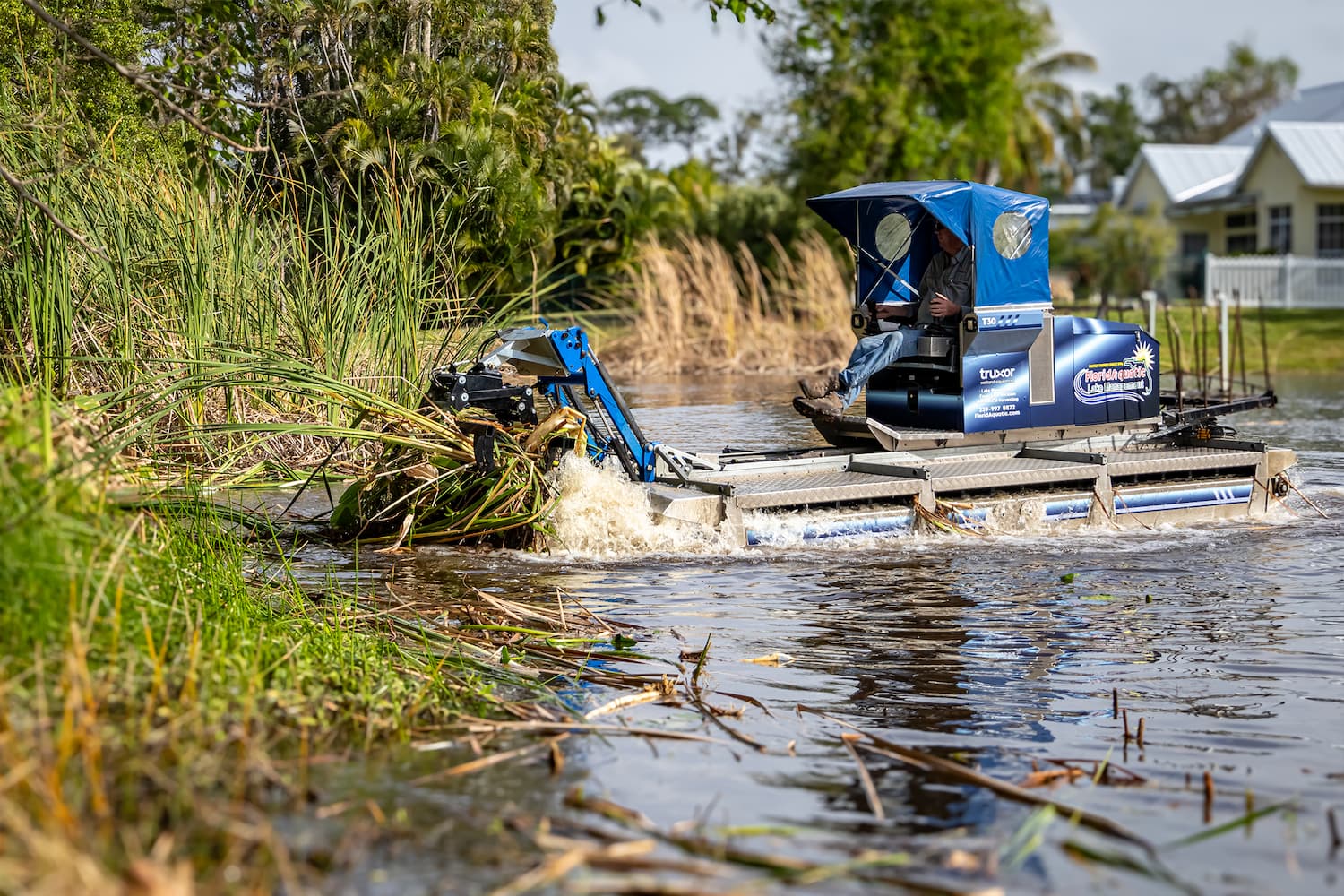
Jacksonville’s wetlands are shaped by the tide. The salt marsh along the Intracoastal, the tidal creeks feeding the St. Johns, and the brackish floodplain south of downtown all flood and drain twice a day, which leaves contractors with a narrow window and ground that changes hour by hour.
Truxor amphibious equipment is built to work through that cycle. It floats at high water, tracks across exposed mud at low water, and carries its own excavation, cutting, and sediment attachments, so the crew keeps working instead of waiting for the tide or for a barge.
Operators across Duval, Nassau, St. Johns, and Clay counties use the platform for living shoreline support, drainage restoration in tidal ditches, and vegetation control in the stormwater wetlands that serve Jacksonville’s fast-growing suburbs.
Northeast Florida wetlands are tidal, brackish, and increasingly central to flood resiliency planning, which calls for equipment that protects the marsh while it works.
A spartina marsh restoration near the Timucuan Preserve, a silted tidal creek in Mandarin, and a cattail-filled stormwater pond in Oakleaf are three different jobs that need three different equipment configurations.
We look at your tide range, sediment depth, salinity, vegetation, and launch access, then recommend the Truxor model and attachment package that fits the way your crew actually works on the site.
Whether you are a marine contractor, a City of Jacksonville or JEA crew, a dredging firm, or a consultant managing a coastal resiliency grant, we can help you move material inside the wetland with minimal disturbance.
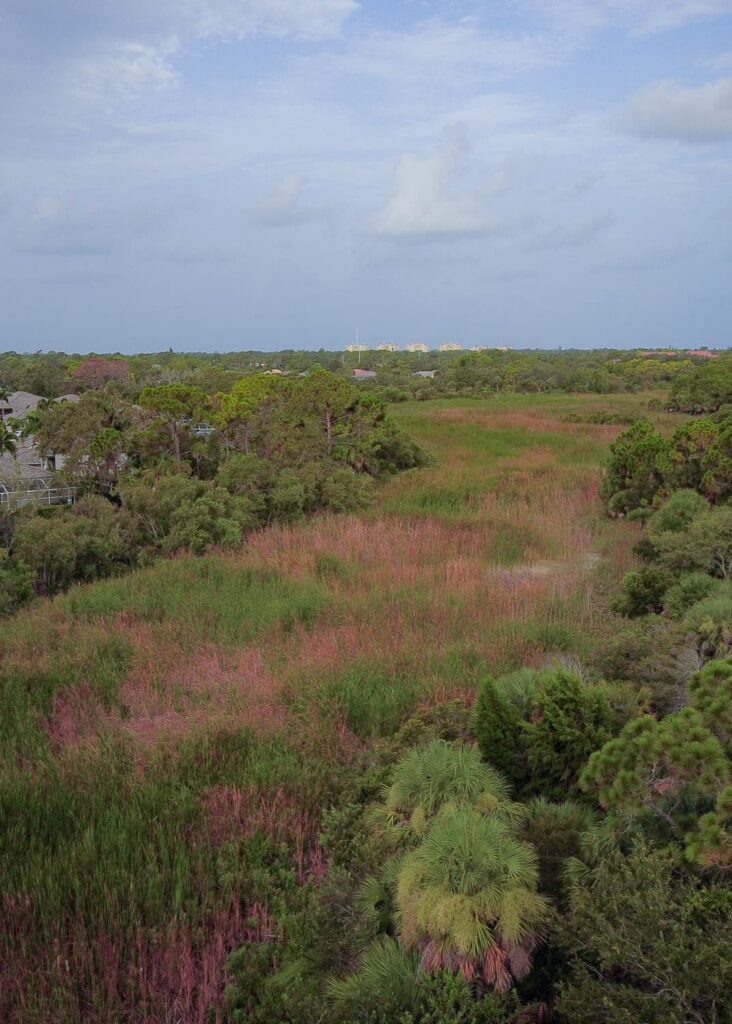
Tidal marsh and brackish floodplain around Jacksonville punish heavy equipment and the permits that allow it. Truxor machines give operators a way to work both sides of the tide without damaging the marsh.
Float at high water and track across exposed mud at low water, so a Jacksonville marsh job does not stop every six hours.
Launch from a ramp or bank and drive into tidal creeks and marsh interiors that would otherwise require costly temporary access.
Excavate channels, cut invasive vegetation, pump sediment, and support planting from a single amphibious platform.
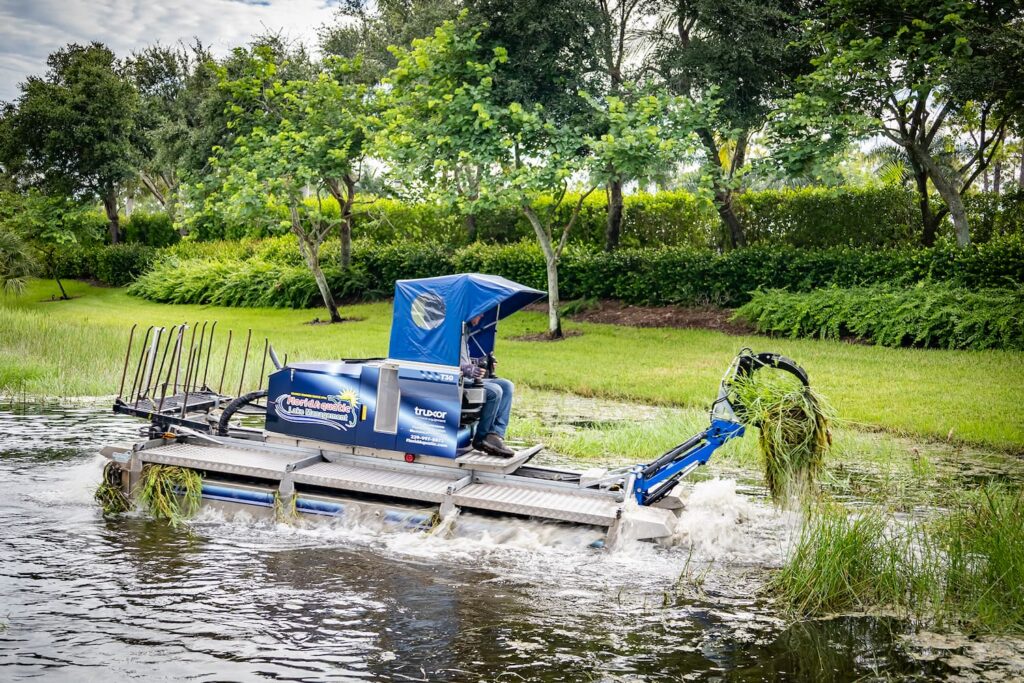
Coastal and river wetland work around Jacksonville is often tied to resiliency funding, mitigation credits, and tightly scheduled permits. Truxor Harvester USA helps contractors, municipalities, and restoration firms across Duval, Nassau, St. Johns, and Clay counties configure equipment that performs in brackish, tidal conditions and stays in service.
Every purchase includes:
Experience how a Truxor machine handles tidal mud, spartina, and brackish shallows in real Northeast Florida conditions. From living shoreline support to tidal creek restoration, see what amphibious equipment can reach.
If your projects involve salt marsh, tidal creeks, river floodplain, or stormwater wetlands anywhere in Northeast Florida, our team can help you determine the best equipment setup for your operation.
Salt marsh around Jacksonville requires amphibious equipment that can float at high tide, track across soft mud at low tide, and operate in brackish water without corrosion issues. Truxor machines are purpose-built for these conditions and do not rely on barges or mat roads.
Yes. The platform is narrow enough to work inside tidal creeks and drainage ditches, and its excavation and sediment attachments are used to restore flow in silted channels that conventional equipment cannot reach from the bank.
Barges need enough water to float and enough room to maneuver, which rules out most marsh interiors and small creeks. A Truxor reaches those areas under its own power and leaves a lighter footprint, which matters for permitted restoration and resiliency projects.
It is. Contractors and restoration groups use Truxor machines for grading, planting support, invasive removal, and sediment placement on marsh restoration and living shoreline projects along the St. Johns and the Intracoastal.
Buyers include marine and dredging contractors, environmental restoration firms, City of Jacksonville and county stormwater departments, utilities, military installation contractors, and consultants managing coastal resiliency and mitigation projects.