
Amphibious machines designed to excavate and restore inside Palm Beach County’s sawgrass marsh, treatment wetlands, and canal-fed water bodies without damaging the ground.
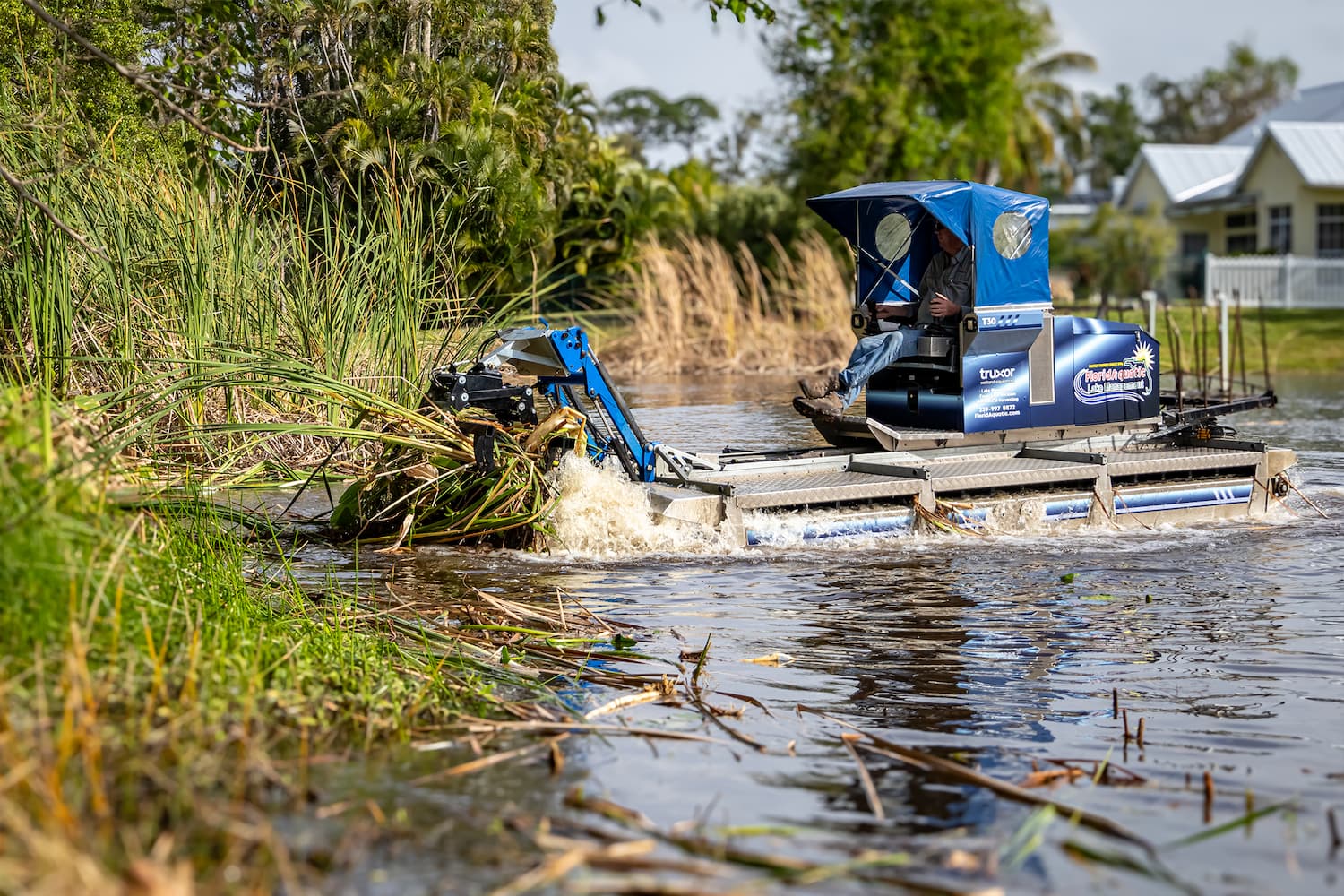
West of the coastal ridge, Palm Beach County turns into wetland almost immediately. Grassy Waters Preserve, the stormwater treatment areas feeding the Everglades, the Loxahatchee marsh, and the thousands of acres of wet prairie between the canals all sit on peat and muck that no wheeled or tracked excavator can cross.
Truxor amphibious equipment treats that landscape as a workable surface. It floats across open sloughs, tracks over sawgrass and saturated organic soil, and carries its own excavation, cutting, and sediment attachments, so the operator works inside the marsh instead of from a levee.
That is why crews handling cattail control in treatment cells, exotic vegetation removal in preserve lands, and stormwater wetland cleanouts across Wellington, Royal Palm Beach, and the Acreage rely on amphibious equipment when the ground gives out.
Wetlands in Palm Beach County are deep, peat-based, and heavily regulated, which demands equipment that moves material while leaving the marsh intact.
A cattail-dominated treatment cell, a melaleuca-infested wet prairie, and a muck-filled stormwater lake in a Wellington community are three different environments that require different machines and attachments.
We assess your water depth, peat thickness, vegetation density, access from the nearest levee or canal, and the restrictions in your permit, then recommend the Truxor setup that gets the job done with the least disturbance.
If you manage wetlands for a water management district contractor, a Palm Beach County or municipal stormwater program, a drainage district, or a large residential community, our team can help you reach the interior of the marsh.
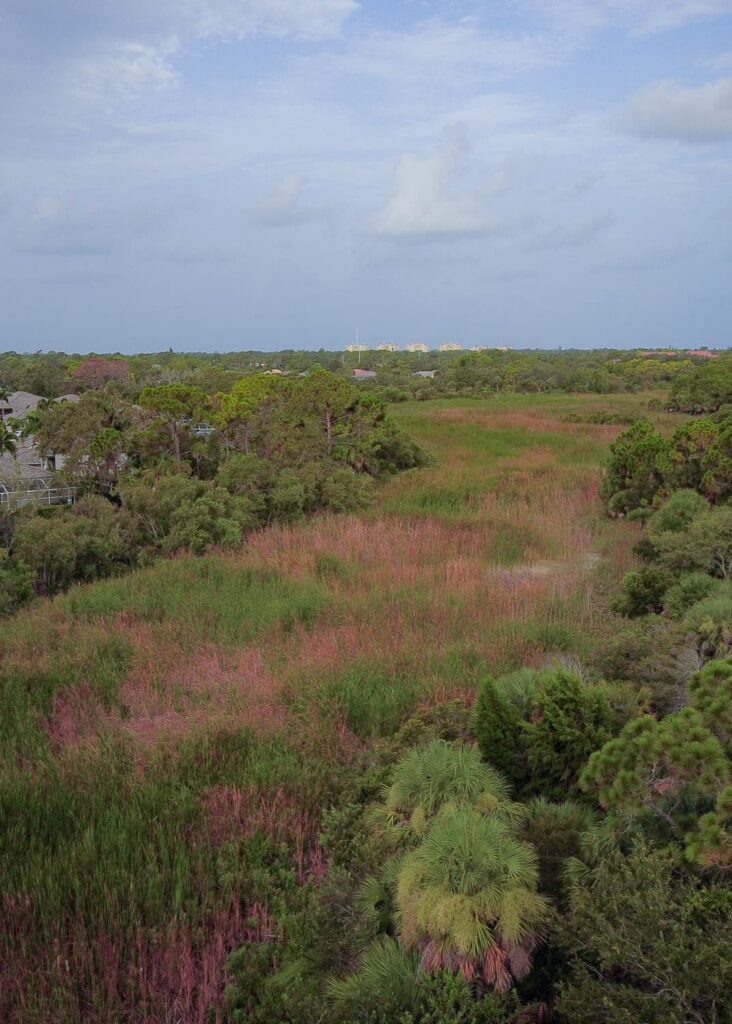
The sawgrass, peat, and treatment wetlands west of West Palm Beach are where conventional equipment goes to get stuck. Truxor machines are engineered to work this terrain without leaving it damaged.
Ground pressure low enough to travel over Everglades-type organic soils and standing water while protecting the substrate below.
Launch from a levee, canal bank, or ramp and travel directly into treatment cells and preserve lands without barges or temporary roads.
Switch between excavation, cattail and exotic vegetation cutting, sediment pumping, and restoration support as the project progresses.
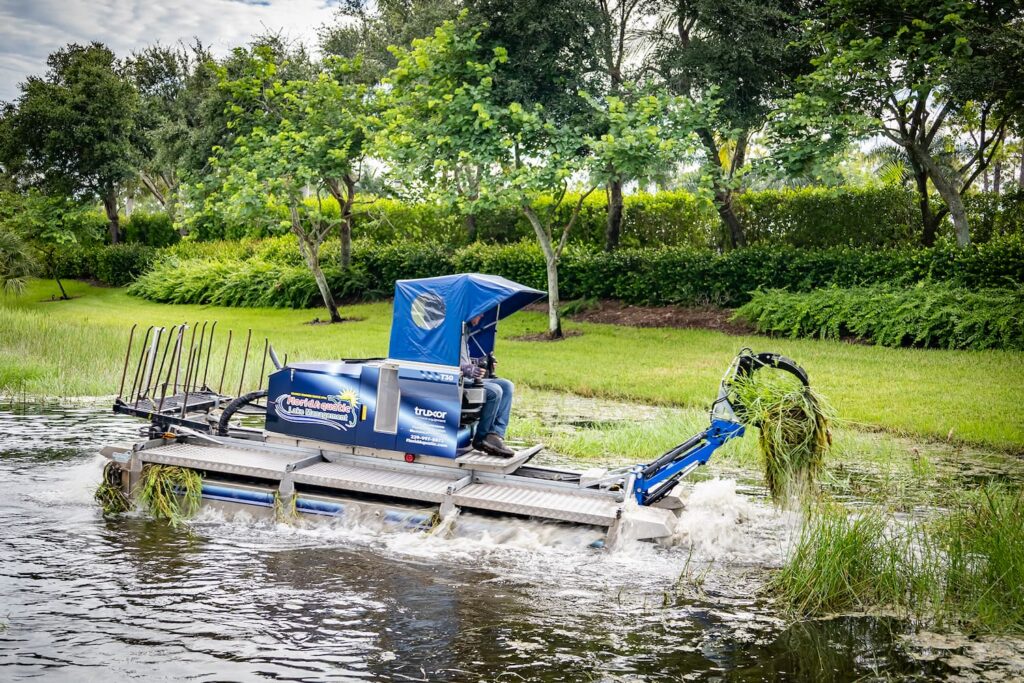
Wetland work in Palm Beach County often connects to Everglades restoration, water quality targets, and drainage district obligations. Truxor Harvester USA helps contractors, districts, and municipalities across Palm Beach, Martin, and Broward counties set up amphibious equipment that performs in deep peat and dense vegetation and stays supported in the field.
Every purchase includes:
Watch a Truxor machine work through sawgrass, peat, and cattail in real South Florida wetland conditions. From treatment cell maintenance to preserve restoration, see what amphibious equipment makes possible.
If your projects involve sawgrass marsh, treatment wetlands, stormwater lakes, or saturated terrain anywhere in Palm Beach County, our team can help you determine the best equipment setup for your operation.
The wetlands west of West Palm Beach are built on deep peat and standing water, so the equipment of choice is a low ground pressure amphibious machine like the Truxor that floats across sloughs and tracks over saturated organic soil without sinking.
Yes. The platform is used for cattail removal, sediment excavation, and flow restoration inside treatment wetland cells and in preserve and marsh areas where conventional equipment would bog down or violate permit disturbance limits.
A levee-based excavator reaches only a narrow strip along the edge. Amphibious equipment travels into the interior of the cell or marsh, works the whole site, and avoids the compaction and rutting that comes with building temporary access across peat.
It is. Truxor machines are used for melaleuca and Brazilian pepper removal support, cattail control, and grading on restoration sites where the surrounding wetland has to remain functional during and after the work.
Buyers include water management district contractors, drainage and improvement districts, Palm Beach County and municipal stormwater departments, environmental contractors, large community associations, and consultants managing Everglades-related restoration projects.