
Wetland Excavation Equipment for Sensitive Terrain
Amphibious excavation equipment designed for low-ground-pressure operation in wetlands and environmentally sensitive areas.
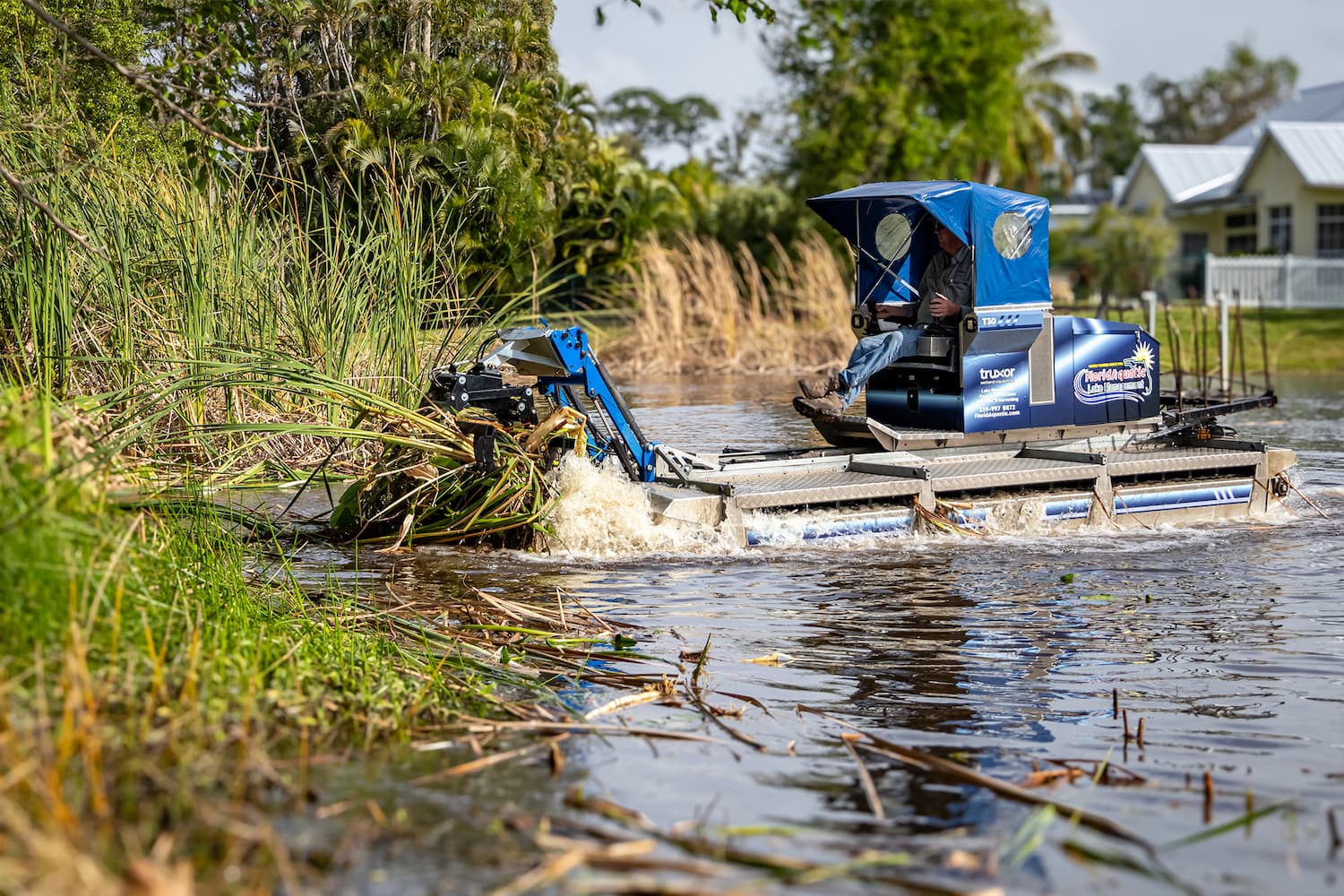
Engineered for Wet Conditions and Difficult Access
Wetland projects require equipment that can move efficiently through unstable terrain while minimizing environmental disruption. Traditional excavators often struggle in marshes, saturated soils, and shallow water environments where access and weight become major limitations.
Truxor amphibious equipment is designed specifically for these conditions, allowing operators to perform excavation, vegetation removal, sediment management, and restoration work directly within wetland systems.
Whether restoring natural habitats, maintaining stormwater wetlands, or improving water flow through marsh areas, these machines provide contractors and municipalities with a more practical and controlled approach to wetland excavation.
Designed for Restoration, Access, and Environmental Maintenance
Wetlands require specific equipment that can manage wet conditions while having as little an impact as possible on the environment
Start Your Wetland Excavation Project With the Right Equipment
No two wetland environments are the same. Soil conditions, vegetation density, water depth, and environmental restrictions all influence the type of equipment required.
Our team will help configure the right machine and attachment combination for your operation based on the specific conditions and restoration goals of your projects.
Whether you work in protected wetlands, retention areas, marsh systems, or environmental restoration sites, we can help improve efficiency while reducing ground disturbance.

Why Wetland Contractors Choose Amphibious Equipment
Wetland excavation requires precision, mobility, and minimal environmental impact. Truxor machines are designed to help operators work effectively in terrain where traditional equipment cannot safely perform.
Low Ground Pressure Operation
Work in saturated and unstable environments with reduced impact on sensitive wetland terrain and surrounding vegetation.
Access Areas Traditional Equipment Cannot Reach
Navigate shallow water, marshes, and soft ground without relying on barges, mats, or large support equipment.
Perform Multiple Restoration Tasks with One Machine
Switch between excavation, vegetation control, sediment management, and restoration attachments depending on project needs.
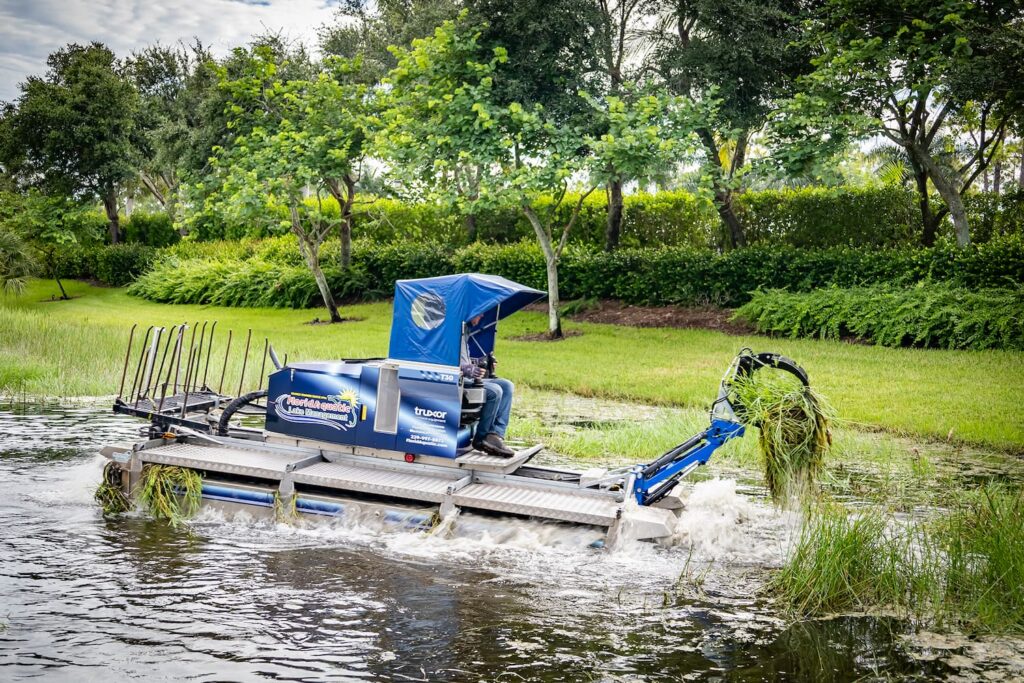
Support for Environmental and Wetland Operations
Wetland work often involves complex environments and specialized project requirements. We help contractors, municipalities, and restoration professionals configure equipment that performs reliably in demanding field conditions.
Every purchase includes:
- Hands-on operator training
- Ongoing technical support
- Access to parts and service
- Assistance with attachment selection
- Demo opportunities before purchase
See Wetland Excavation Equipment in the Field
Experience how Truxor equipment performs in real wetland environments. From marsh restoration to sediment management and shoreline work, see how amphibious equipment improves efficiency and access in sensitive terrain.
Talk to a Wetland Equipment Expert
If your projects involve marshes, wetlands, retention systems, or saturated terrain, our team can help you determine the best equipment setup for your operation.
Frequently Asked Questions (FAQs)
Wetland excavation typically requires low-ground-pressure amphibious equipment capable of operating in shallow water and unstable terrain without excessive environmental disturbance.
Yes. Truxor equipment is specifically designed for marshes, shallow water, and saturated soil environments.
Amphibious equipment provides better access, lower ground pressure, and improved mobility in wet environments where traditional excavators may become unstable or cause damage.
Yes. These machines are commonly used for habitat restoration, vegetation management, sediment removal, and shoreline improvements.
Environmental contractors, municipalities, stormwater maintenance teams, and restoration professionals commonly use this type of equipment.